Understanding the psychology behind gambling Why do we take risks
The Nature of Risk-Taking
Risk-taking is an intrinsic part of human behavior, deeply rooted in our psychology. At its core, gambling represents a calculated risk where individuals choose to wager something of value in the hope of gaining a greater reward. This desire for risk is often linked to the thrill it brings, as well as the potential for significant monetary gain. For many, the act of placing a bet is not merely about the money, but also the excitement and adrenaline that accompany the possibility of winning. In this context, you might explore https://crazytower-me.com/en/ to find out more about the available games.

The dopamine release associated with risk-taking behavior plays a crucial role in reinforcing this activity. When individuals experience a win, their brain rewards them with a surge of pleasure, creating a positive feedback loop that encourages them to continue gambling. This psychological phenomenon can lead to a cycle where the anticipation of winning outweighs the reality of potential losses. Understanding this mechanism is essential for comprehending why many are drawn to gambling despite its inherent risks.
Moreover, social factors contribute to the allure of risk-taking. People are often influenced by their peers, leading them to gamble more than they might on their own. The communal aspect of gambling, whether at a physical casino or an online platform, can create an environment that normalizes and even celebrates risk-taking. As individuals see others engaging in similar behavior, they may feel compelled to join in, further perpetuating the cycle of gambling.
Certain psychological triggers play a significant role in why people gamble. One of the most potent triggers is the concept of ‘near misses’. This occurs when a gambler almost wins but falls just short, creating a strong psychological effect that makes them want to try again. Near misses can be incredibly motivating, as they elicit feelings of hope and optimism, prompting gamblers to perceive a higher likelihood of future success. Consequently, many players find themselves betting again, convinced that they are just one step away from a significant win.
Another critical psychological aspect is the illusion of control. Many gamblers believe they can influence the outcome of a game, especially in games where skill is involved, such as poker or blackjack. This belief can lead to excessive gambling, as individuals feel empowered to make strategic decisions that will affect their chances of winning. However, this illusion can distort reality, encouraging players to gamble more than they should, often leading to detrimental financial consequences.
The environment in which gambling occurs can also trigger psychological responses. Bright lights, sounds, and the overall atmosphere of a casino are designed to stimulate and excite. This sensory overload can create a heightened state of arousal, leading individuals to engage in riskier behavior than they typically would in a more subdued setting. The design of both physical and online casinos intentionally capitalizes on these psychological triggers, further entrenching players in the gambling experience.
Conditioning plays a significant role in gambling behavior. Operant conditioning, a learning process through which the strength of a behavior is modified by reinforcement or punishment, is commonly applied in gambling scenarios. When players win, they experience positive reinforcement, which strengthens the behavior and encourages them to gamble again. Conversely, losses might deter behavior temporarily, but the allure of a potential win often outweighs the fear of losing, keeping players engaged.
Moreover, intermittent reinforcement, wherein wins are unpredictable, heightens the desire to gamble. This unpredictability creates a sense of excitement, making the gambling experience more compelling. Players who experience varied wins are more likely to remain hooked, as they anticipate their next big break. This phenomenon can lead to compulsive gambling as individuals chase the high associated with winning, despite the risks involved.
Gambling establishments understand these psychological principles and often design their games to exploit them. For instance, slot machines utilize bright graphics and rewarding sounds to create a sense of accomplishment, regardless of the actual outcome. This approach reinforces player engagement and can lead to prolonged gaming sessions, illustrating the critical intersection of psychology and gambling dynamics.
Emotional factors heavily influence gambling behavior. Many individuals turn to gambling as a means of escapism, using it to cope with stress, anxiety, or depression. This emotional connection can lead to unhealthy gambling habits, as players seek solace in the thrill of the game. Understanding this emotional component can illuminate why some individuals develop gambling addictions, as the activity becomes a coping mechanism rather than a mere pastime.
Cognitive biases also contribute to gambling behaviors. The gambler’s fallacy, for example, is the mistaken belief that past random events affect the likelihood of future outcomes. Many gamblers fall prey to this bias, believing that if they have experienced a losing streak, they are due for a win. This faulty reasoning can lead to further risk-taking as they continue to wager money in hopes of a turnaround.
Moreover, confirmation bias plays a role as gamblers selectively remember their wins while discounting losses. This selective memory can create an illusion of success, reinforcing the desire to continue gambling. It is essential to address these cognitive distortions when discussing responsible gambling, as recognizing them can help individuals make more informed decisions about their gaming behavior.
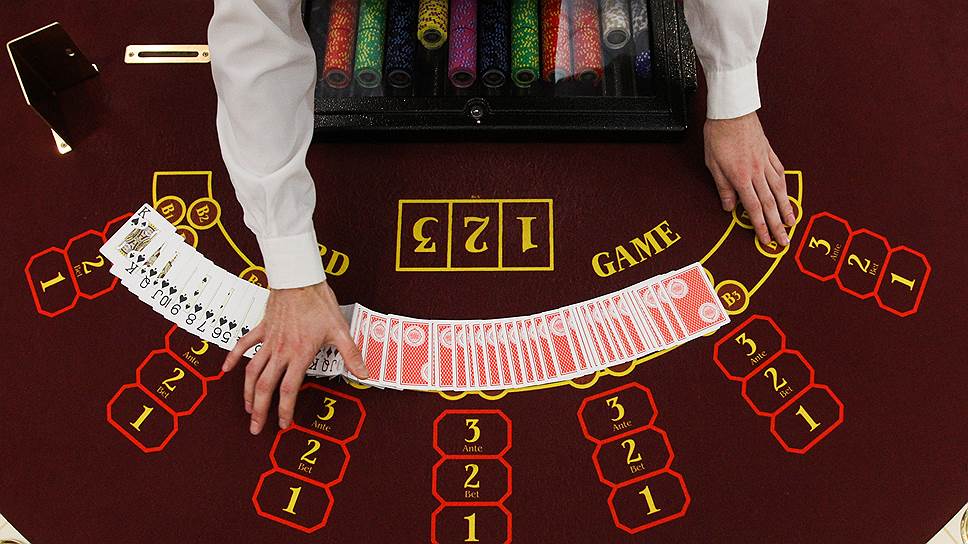
CrazyTower casino offers a unique online gaming experience for players, emphasizing the importance of responsible gambling. With over 6,000 games available, including various classic table games and innovative slots, the platform caters to a diverse audience while maintaining a commitment to player safety. CrazyTower strives to create an environment where players can enjoy their gaming experience without falling into the traps of compulsive gambling.
The platform implements robust security measures and provides a user-friendly interface, ensuring a seamless gaming experience. Players have access to tools that help them manage their gaming habits, including self-exclusion options and deposit limits. By encouraging responsible gambling practices, CrazyTower aims to educate players about the psychological aspects of gambling and the importance of moderation.
Ultimately, CrazyTower seeks to enhance the thrill of gaming while promoting a responsible approach to gambling. The commitment to player well-being is evident in their offerings, as they aim to provide an engaging yet safe environment for individuals to enjoy their favorite games. Understanding the psychology behind gambling is essential for navigating this exciting world responsibly, and CrazyTower is dedicated to supporting its players on this journey.